















Military Navigation Evolution: The Role of China’s BeiDou System in Iranian Missile Precision

The leap in Iranian weaponry technology is now under intense scrutiny after a series of missile strikes demonstrated accuracy levels far exceeding their operational capabilities from just a year ago. International intelligence analysis points to a fundamental shift in the guidance systems used by Tehran, moving away from reliance on U.S.-owned GPS toward the BeiDou Navigation Satellite System (BDS) infrastructure owned by China.
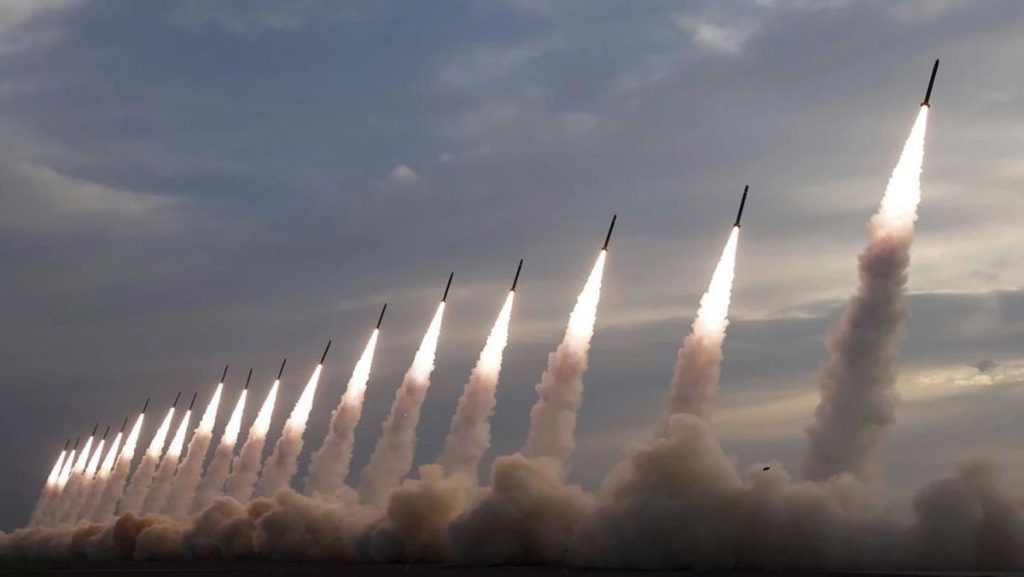
The sharpness of Iranian missiles in hitting strategic military assets, even under a dense air defense umbrella, indicates the use of encrypted military-grade signals. Former French intelligence chief Alain Juillet emphasized that the effectiveness of these latest attacks would have been impossible to achieve without the integration of a more stable and jam-resistant navigation system.
The BeiDou system offers advantages in both quantity and quality, operating 45 satellites—nearly double the 24-satellite constellation of the American GPS. This numerical difference allows for more consistent coverage and higher data redundancy for ground combat units and projectiles traveling toward targets thousands of kilometers away.
A crucial aspect of this Chinese technology is its automatic course correction capability for moving targets, boasting a margin of error of less than one meter. Unlike civilian-grade GPS signals, which are easily scrambled by opposing militaries, BDS-3 military-grade signals are designed with encryption protocols that make it extremely difficult for enemy defense systems to perform frequency interference.
This technological transition is suspected to have been in preparation since the signing of the Sino-Iranian Strategic Partnership in 2021, which accelerated the integration of BeiDou into Iran’s drone and ballistic missile ecosystem. The system’s two-way communication capability even allows operators to reroute projectiles mid-flight—a tactical advantage previously held only by top-tier global military powers.
This navigational independence is not merely a technical upgrade; it represents a geopolitical shift where Western dominance in navigation technology is being challenged by alternative infrastructures. With Iran’s full transition to the BeiDou system reportedly complete, conflict patterns in the Middle East are entering a new era dominated by high-precision weapons that are difficult to neutralize through conventional electronic warfare.