










Oil Surges Above $100: US Blockade of Iranian Ports Sparks Global Energy Alarm

Global oil prices have violently surged back above the critical $100 per barrel mark. A spike of over 7% followed the order from US President Donald Trump to blockade Iranian ports, a decisive move triggered by the collapse of peace negotiations between Washington and Tehran. Brent crude, the global benchmark, hit $102.02 per barrel, signaling a return to high-volatility energy markets and reigniting fears of a deepening global energy crisis.
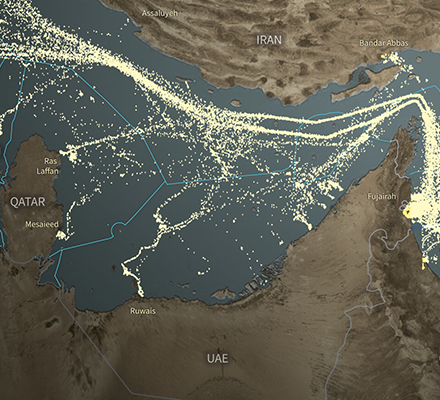
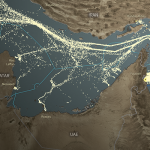
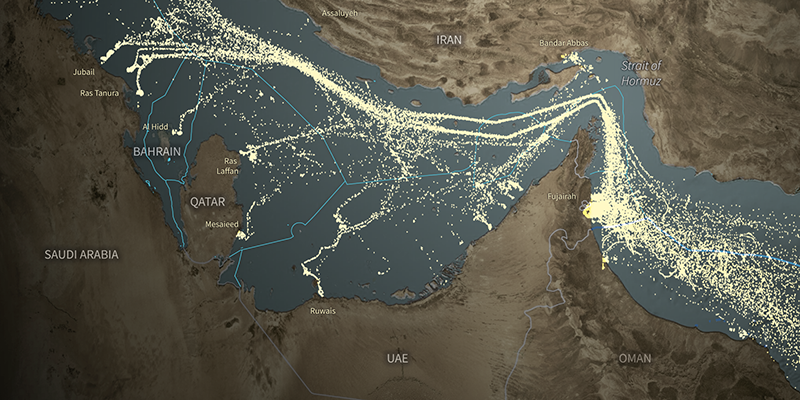
At the heart of this escalation is the Strait of Hormuz. This narrow waterway is far more than a shipping route; it is a strategic artery through which one-fifth of the world’s energy shipments pass. The US decision to block all vessels entering and exiting Iranian ports and coastal areas in the Strait has sent a shockwave through the markets.
Iran has responded with fierce condemnation, labeling the US restrictions as “illegal piracy” in international waters. Tehran’s threat to implement a “permanent mechanism” to control the Strait further complicates the landscape. If this waterway becomes a permanent combat zone, the global economy faces a supply shock that could dwarf recent inflationary pressures.
While the public focuses on petrol and diesel prices, the systemic risk is far broader. The Strait of Hormuz is a conduit for critical industrial materials. Approximately 30% of the world’s aluminum and helium, 50% of the feedstock for global fertilizers, and 17% of all polymers traverse this route.
A prolonged blockade does not just mean more expensive commutes; it means a potential crisis in global food security due to fertilizer shortages and disruptions in high-tech manufacturing. The ripples of this blockade will extend far beyond energy, impacting agriculture and industrial production on a global scale.
Analysts suggest that Trump’s blockade may be a calculated move to force Beijing’s hand. China, which has been the primary destination for over 90% of Iran’s oil exports since March, is the only power with enough leverage over Tehran to potentially broker a ceasefire.
The financial markets have already felt the tremor. Major European indexes, including the FTSE 100, CAC 40, and DAX, saw immediate declines. Asian markets, heavily reliant on Middle Eastern crude, suffered significant losses. While US stocks showed some resilience, the overarching sentiment remains one of profound uncertainty.
Realistically, oil prices will remain elevated as long as the blockade is actively enforced and shipping disruptions persist. However, there is a sliver of optimism. Many traders are still betting on a diplomatic pivot, hoping that the current escalation is a prelude to a more favorable deal.
The durability of the current fragile ceasefire is critical. If diplomacy resumes, the markets may stabilize. But for now, the world remains hostage to the volatile relationship between Washington and Tehran, with the global economy bearing the cost of every failed negotiation.