











The Indonesian National Police Criminal Investigation Agency (Bareskrim Polri) Names SAM a Suspect – Chronology and Facts of the Case | Langit Eastern

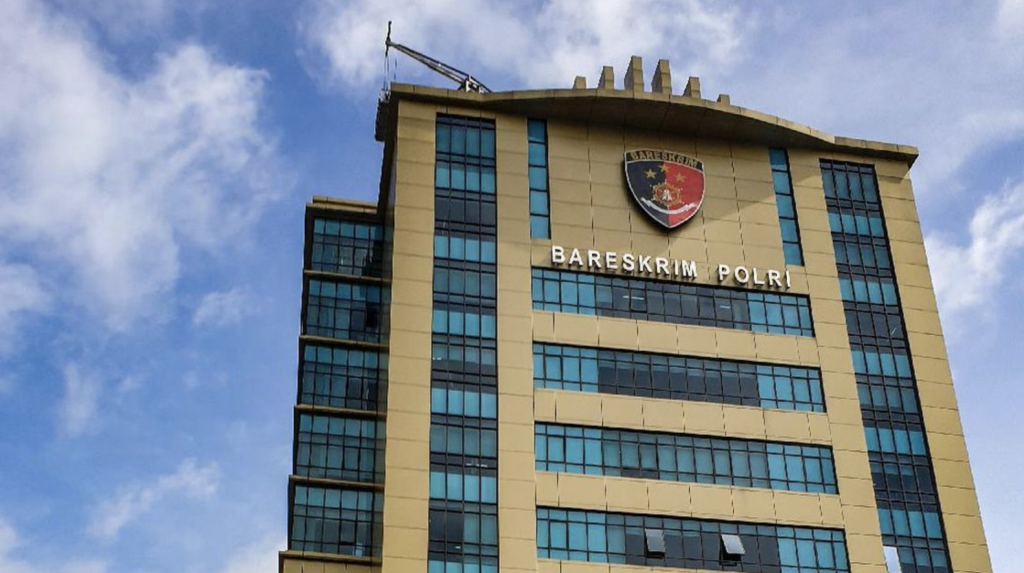
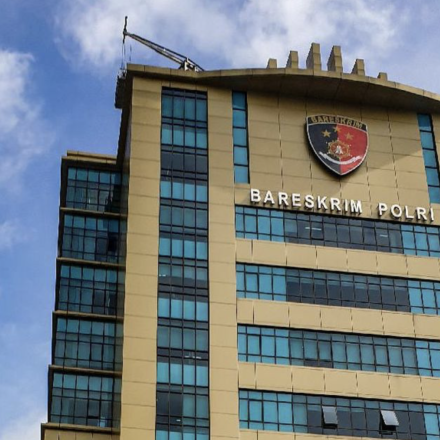
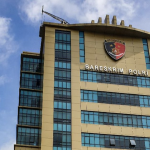
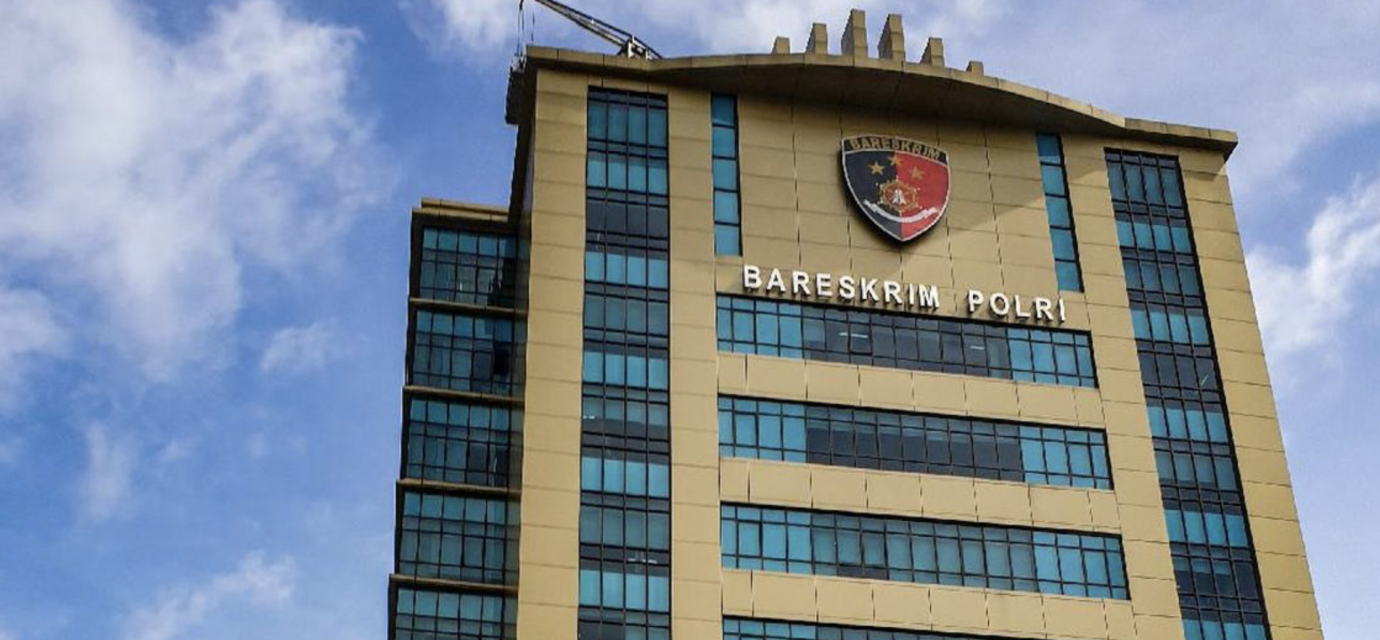
Indonesia’s Criminal Investigation Bureau (Bareskrim) has officially named preacher SAM as a suspect in an alleged sexual abuse case involving students (santri). The designation stems from police report LP/B/586/XI/2025/SPKT/Bareskim dated November 28, 2025, with investigation conducted by the Directorate of Child Protection and Violence Against Women (PPA and PPO). The reporter, identified as MMA, received notification of investigative developments via SP2HP on April 22, 2026. Victims’ legal counsel submitted digital conversation records and video recordings as supporting evidence. According to the lawyers, more than one victim has come forward, spanning various age groups including minors and adults, with alleged incidents dating back to 2017. Preacher Sheikh Ahmad Al Misry responded by denying the allegations, calling them baseless slander, and stated he had cooperated with police by providing testimony online.
From a legal standpoint, the suspect designation indicates that the evidence presented by the reporter has crossed the minimum threshold required to advance the case. However, the presumption of innocence remains intact—SAM retains the right to mount a defense until convicted by a court of law. This means the public should refrain from premature judgment. The case highlights broader systemic issues regarding child and student protection in Indonesia’s informal educational settings, particularly within pesantrens (Islamic boarding schools). Indonesia’s Child Protection Law No. 35 of 2014 and the Sexual Violence Crime Law (UU TPKS) No. 12 of 2022 provide victims with strong legal foundations to seek justice.
The SP2HP reporting mechanism represents a critical tool for maintaining public trust in law enforcement institutions. By providing regular updates to reporters, the system ensures that victims are not left in limbo. This case also demonstrates how power dynamics can influence allegations—public figures with significant influence may feel insulated from legal consequences. The outcome will test whether Indonesia’s legal framework can deliver equal justice regardless of social status or media prominence.
Internal Link Suggestions: Child Protection Laws in Indonesia, Understanding UU TPKS and Its Impact on Justice Enforcement, Reporting Mechanisms for Sexual Violence in Educational Settings